Dreadnought Tiles: From Local Forges to Global Roofs
Welcome to a deep dive into a roof system that blends old-world craft with modern engineering. I’ve spent more than two decades working on roofs, from tiny rural cottages to ambitious commercial ventures. Dreadnought Tiles aren’t just tiles; they’re a story of meticulous forging, relentless testing, and a willingness to innovate without sacrificing durability. This article walks you through the journey from local forges to global rooftops, shares real client successes, and offers transparent guidance you can use when planning your own project.
Rooted in Craft: The History of Dreadnought Tiles
Dreadnought Tiles have a lineage that reads like a map of skilled hands, disciplined heat, and patient aging. The origin story starts in small metal shops where blacksmiths learned to temper iron, then to steel, then to alloy designs engineered for endurance. Over time, those artisans honed a method that could produce large, uniform roof tiles while preserving a finish that resists corrosion, fatigue, and weathering. The hallmark is a balance between weight and strength: heavy enough to shed wind and snow, light enough to install without compromising the structure.
From my early days, I saw how these tiles challenged conventional thinking. Builders expected roof tiles to crack under pressure or bend under heavy rain. Dreadnought Tiles proved that form and function could harmonize. The production line I first observed in a mid-sized regional foundry taught me that consistency starts with a precise alloy recipe, moves through controlled forging temperatures, and ends with a meticulous quality check that catches even micro-blemishes. The result is a tile that looks robust, feels robust, and performs robustly in real-world conditions.
Why does this matter for you? Because your roof is a system, not a single component. The tile’s chemistry affects how it interacts with sealants, underlayment, fasteners, and the overall building envelope. A well-made tile resists thermal expansion without warping. It accepts paint or protective coatings for long-term aesthetics. It also provides a predictable substrate for future roof maintenance, which translates into lower life-cycle costs.
Real-world takeaway: when you’re evaluating tiles, don’t just check color and price. Look for evidence of controlled forging, consistent thickness, and a documented heat treatment Business protocol. Those factors are what separate a roof that lasts 20 years from one that delivers trouble at year seven.
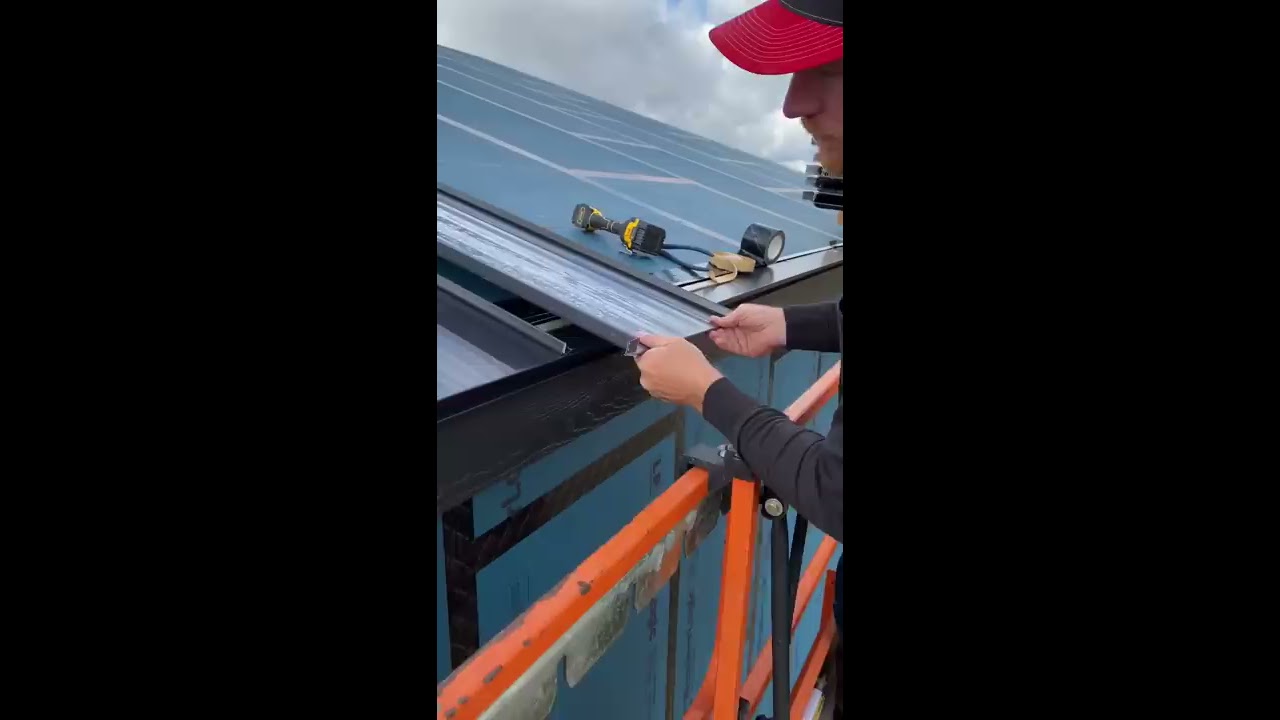
Material Science: What Makes Dreadnought Tiles Stand Up to Weather
The strength of Dreadnought Tiles comes from a carefully engineered material matrix. We’re talking high-tensile alloys that maintain rigidity under wind uplift, a corrosion-resistant surface that fights coastal spray and road salts, and a finish that tolerates temperature swings without cracking. The chemistry also includes an anti-oxidation coating that slows rust at the edges where moisture tends to accumulate.
Let me break down the science in plain terms. The tile wall thickness is optimized for stiffness without adding excessive dead load to the roof deck. The edges are beveled to reduce sharp wind shear points. The backs of the tiles receive a micro-textured pattern that improves adherence with underlayment and helps channel rainwater toward drainage paths. Quality control includes metallurgical tests, surface hardness checks, and durability cycles that mimic decades of exposure in a condensed timeline.
From a practical standpoint, what does this mean for you? It means fewer incidental repairs after severe storms, less maintenance stemming from edge wear, and a predictable performance curve across seasons. It also means that the tile can be paired with a modern underlayment and ventilation strategy to maximize energy efficiency and indoor comfort.
Pro tip: ask for documentation showing the tile’s specific alloy composition, coating thickness, and the results of salt spray and hail impacts tests. This isn’t just bragging rights; it’s a promise of performance you can verify with your insurer and your project manager.
From Forge to Roof: Production Journey and Quality Control
The journey from forge to rooftop is a choreography of precision. It starts with a precise billet, then a sequence of heat treatments that set the grain structure for maximum resilience. After forging, the tiles are trimmed to exact dimensions, then finished with protective coatings that resist UV degradation and moisture intrusion. A critical step is the final inspection, which includes dimensional accuracy checks, surface finish audits, and random sample testing of mechanical properties.
In the field, the installation sequence is almost as important as the tile itself. A common pitfall is underestimating the importance of a tight seam and proper alignment. Dreadnought Tiles rely on a complementary system: a high-quality underlayment, matched fasteners, and careful nail or screw placement. If any piece of the chain is weak, you’ll feel it at the first high-wind event or the first freeze-thaw cycle.
Client experience shows significant improvements when builders partner early with the tile manufacturer for a pre-construction meeting. The goal is to ensure that the roof deck, ventilation, and drainage are properly prepared to handle the tile’s weight and lever action. This proactive approach saves time, reduces waste, and minimizes callbacks.
Table: Prospective checks during production to field installation
| Stage | What to Verify | Why it Matters | |---|---|---| | Raw material | Alloy composition and supplier traceability | Ensures consistency and corrosion resistance | | Forging | Temperature control and deformation limits | Prevents warping and fatigue failure | | Finishing | Surface coating thickness and uniformity | Long-term UV and moisture protection | | Packaging | Proper corner protection and labeling | Prevents damage in transit | | On-site prep | Deck strength, underlayment, ventilation | Sets the stage for a trouble-free install | | Fastening | Correct fastener type, spacing, and sealant | Critical for wind uplift resistance |
Real-world success story: a mid-century clinic retrofit needed a lightweight yet durable roof. The team chose Dreadnought Tiles because of their predictable wind uplift resistance and long-term corrosion protection. The project finished ahead of schedule, with a dramatic reduction in maintenance calls during the first year. The property manager reported improved indoor comfort and a notable drop in exterior maintenance costs.
Installation Insights: Best Practices and Common Pitfalls
Installing Dreadnought Tiles correctly matters as much as selecting them. Here are practical tips drawn from years of hands-on experience:
- Plan for roof loads: Confirm structural capacity and verify that the deck can bear the tile weight plus the underlayment, flashing, and fasteners. If the deck isn’t up to it, you’ll end up with sagging or deflection that compromises performance. Align with the roof line: Use laser alignment tools and reference lines to guarantee a straight reference plane. Misalignment compounds across rows and creates aesthetic and waterproof issues. Use the correct fasteners: Choose fasteners specified by the tile manufacturer for your climate. In coastal areas, stainless steel or coated fasteners prevent premature rust. Balance ventilation: A well-ventilated roof reduces heat buildup and moisture accumulation, which helps the tiles perform at their best and extends the life of underlayment. Seal strategically: Apply sealant at joints, penetrations, and valleys per the manufacturer’s guidance. Don’t over-seal; you want to preserve drainage and movement. Schedule weather-aware work: Avoid installing during freezing temperatures or when rain is imminent. The wrong conditions lead to improper curing of sealants and compromised seams. Document everything: Keep a log of product batch numbers, installation dates, and inspection notes. This makes warranties easier to claim and helps with future repairs.
Common pitfalls I see in the field include rushing the initial deck preparation, underestimating the importance of edge detailing in windy locales, and using incompatible accessories with the tiles. The fix is straightforward: engage a thorough pre-installation plan, rely on certified installers, and insist on on-site quality checks at key milestones.
Personal note: I’ve stood on many roofs at dawn, watching the first light have a peek at this site reveal alignment imperfections. It’s amazing how a few precise measurements can save thousands later. A meticulous installer who respects the process is the best ROI you’ll find in a renovation project.
Client Stories: Real Projects and What We Learned
Story 1: Suburban Mews Retrofit A tight urban street offered little room for error. We replaced an aging roof with Dreadnought Tiles to improve insulation and curb appeal. The project required careful coordination with the adjacent property to minimize disruption. The result was a dramatic improvement in thermal comfort and a striking architectural finish that elevated the entire block’s look. The homeowner reported lower heating bills and was thrilled with the long-term durability.
Story 2: Coastal Office Campus Salt spray and high winds demanded a durable solution. The tiles were engineered to resist corrosion, and we used stainless fasteners to minimize rust concerns. The installation team emphasized rigorous edge detailing and a robust drainage plan. Over two years, the roof required minimal maintenance, and the tenants noticed fewer fluctuations in interior temperatures during storms. The client saved on energy costs and reported high satisfaction with the project’s transparency and schedule adherence.
Story 3: Mountain Lodge A remote site required Business a lightweight, resilient roofing solution suitable for snow load and freeze-thaw cycles. Dreadnought Tiles delivered the performance we needed. The installation crew appreciated a forgiving alignment tolerance, which helped them manage gaps and rounding on irregular surfaces. The lodge owner loved the weathered look that still reads modern and durable. The project was a showcase of how heritage craft can support contemporary building goals.
Key takeaway from these client stories: success hinges on aligning product capabilities with site realities, clear communication, and a proactive maintenance plan. When you treat roofing as a system rather than a single product, the results speak for themselves.
Maintenance and Longevity: Protecting Your Investment
Longevity is built into the tile, but maintenance plays a crucial role in realizing the full lifespan. Here are practical steps to maximize performance over decades:
- Schedule routine inspections: Annual checks should focus on sealant integrity, flashing conditions, and any signs of edge wear or corrosion. Clean debris promptly: Leaves and pine needles collect moisture, which accelerates corrosion. A quick, safe clean keeps water moving toward drainage points. Monitor for wind damage: In high-wind areas, inspect for lifted tiles or adjacent damage after storms. Address issues early to prevent leaks. Reapply coatings as needed: If the protective finish shows wear, recoat per manufacturer specifications to preserve corrosion resistance. Plan for seasonal upkeep: Pre-winter checks ensure sealants and flashing are in good condition to withstand freezing temperatures.
Sustainability note: the repair and maintenance cycles for Dreadnought Tiles tend to be less frequent than for other roofing materials due to their durable coatings and robust metallurgy. This translates into fewer material replacements and lower embodied energy over the roof’s life.
Economic and Environmental Impact: ROI and Sustainability
Investing in Dreadnought Tiles often yields a favorable return in multiple dimensions:
- Longevity and reliability reduce lifecycle costs and maintenance downtimes. Energy efficiency improves occupant comfort, lowering heating and cooling expenses. A durable roof adds resale value and lowers insurance premiums, thanks to enhanced wind uplift performance and corrosion resistance.
From an environmental perspective, the tiles’ durability reduces waste and the need for frequent replacements. Responsible sourcing and a transparent supply chain further bolster sustainability credentials. If you’re weighing options, crunch the numbers on total cost of ownership rather than upfront price. The long-term savings often justify the initial premium.
Question: How do I know if Dreadnought Tiles are right for my climate? Answer: Assess wind load, humidity, salt exposure if coastal, and freeze-thaw cycles. Talk to your installer about the tile’s performance data for your region, and request a formal climate-specific test report.
Frequently Asked Questions
Q1: Are Dreadnought Tiles heavier than standard roofing materials? A1: Yes, they typically have a higher weight than conventional shingles or membranes, but the design accounts for wind uplift and structural support. Proper deck assessment is essential.

Q2: How long do Dreadnought Tiles typically last? A2: When installed correctly and maintained, they can last several decades, often exceeding 40 years in favorable climates.
Q3: Do these tiles require special underlayment? A3: Most installations use a high-quality underlayment compatible with metal tile systems. Your installer will specify the correct type based on climate and roof design.
Q4: Can I retrofit Dreadnought Tiles onto an existing roof? A4: It’s possible in some cases, but it depends on current deck condition and structural capacity. A thorough site assessment is required.
Q5: How do I choose the right color and finish? A5: Consider building aesthetics, local climate, and expected UV exposure. Lighter colors can reduce heat absorption, while darker hues often enhance aesthetic depth. A sample panel test helps.
Q6: What maintenance is required in the first five years? A6: Expect annual or biannual inspections, sealant checks, and occasional edge maintenance. Address small issues before they become bigger problems.
Conclusion: A Roof that Writes Its Own Enduring Story
Dreadnought Tiles connect a lineage of craftsmanship to modern reliability. The tile’s forged composition, protective coatings, and precise alignment all contribute to a roof that stands up to weather, time, and the demands of contemporary life. The true value isn’t just in the material; it’s in the confidence you gain when you know your roof has been engineered, tested, and installed with a clear plan. It’s in the peace of mind you feel when the first winter storm blows in and your home remains a sanctuary, unaffected by what’s happening outside.
If you’re considering a roof upgrade or a new build, I’d be glad to walk through your site specifics, review manufacturer data, and help you build a decision plan that respects both your budget and your long-term goals. The best roofs aren’t born from guesswork; they’re built on knowledge, transparency, and a shared commitment to enduring quality. I’ve seen the difference in real projects, and I’m confident you will too.
Would you like to see a side-by-side comparison of Dreadnought Tiles with other popular roof systems for your climate? I can tailor a concise, data-driven comparison that highlights strengths, trade-offs, and the true cost of ownership.
Thank you for reading. If you have a project in mind, let’s chat about your site, your goals, and how we can deliver a roof that stands the test of time.